Walk into any jewelry store in Dubai — from the Gold Souk in Deira to a boutique on Sheikh Zayed Road — and you will face one question before you even look at a single piece: yellow, white, or rose?
All three are 18K gold. All three carry the same purity hallmark. But they look completely different, wear differently over time, and suit different skin tones, occasions, and personal aesthetics. Choosing the wrong color is one of the most common — and most avoidable — mistakes first-time buyers make.
At ROKO Jewelers Dubai, we craft exclusively in 18K yellow gold — the global standard for luxury fine jewelry. But we know our customers compare across all three gold colors before making their decision, so this guide gives you everything you need to choose with total confidence. We'll break down exactly how yellow, white, and rose gold differ in composition, durability, appearance, skin tone compatibility, and price — so you walk away knowing precisely what to ask for.
What Makes Gold Yellow, White, or Rose?
Pure gold — 24K — is always the same rich, deep yellow color. The variation in tone you see in jewelry comes entirely from the metals mixed with pure gold, called alloys. These alloys serve two purposes: they alter the color, and they increase the hardness of the metal to make it suitable for everyday wear. Here is exactly what creates each color.
18K Yellow Gold — The Classic Standard
18K yellow gold is 75% pure gold combined with a precise blend of silver and copper. The ratio is calibrated to preserve the warm, luminous golden hue most people picture when they think of fine jewelry. It is the closest in appearance to pure gold — which is why it has been the traditional choice for engagement rings, heirloom pieces, and ceremonial jewelry across cultures for centuries, including across the UAE and wider Gulf region where gold carries deep cultural significance.
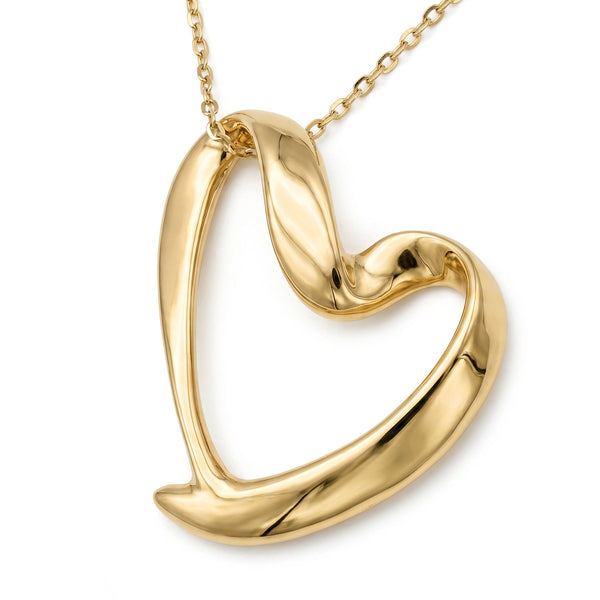
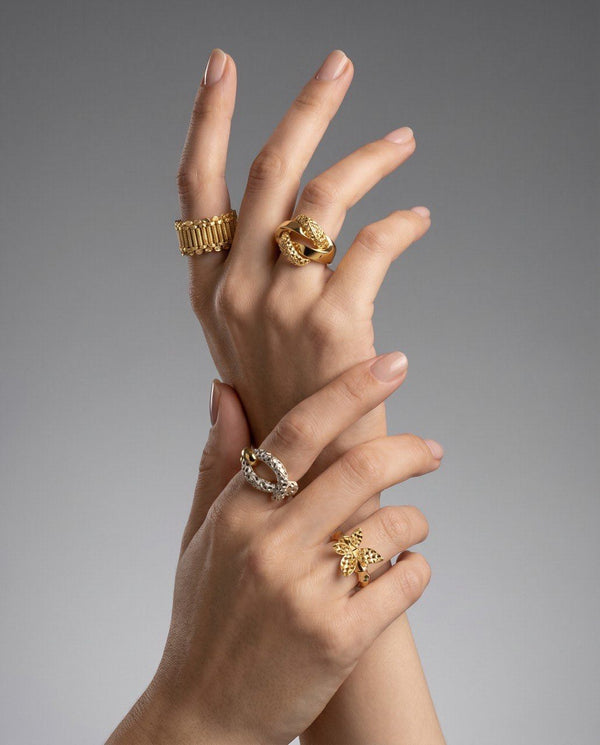
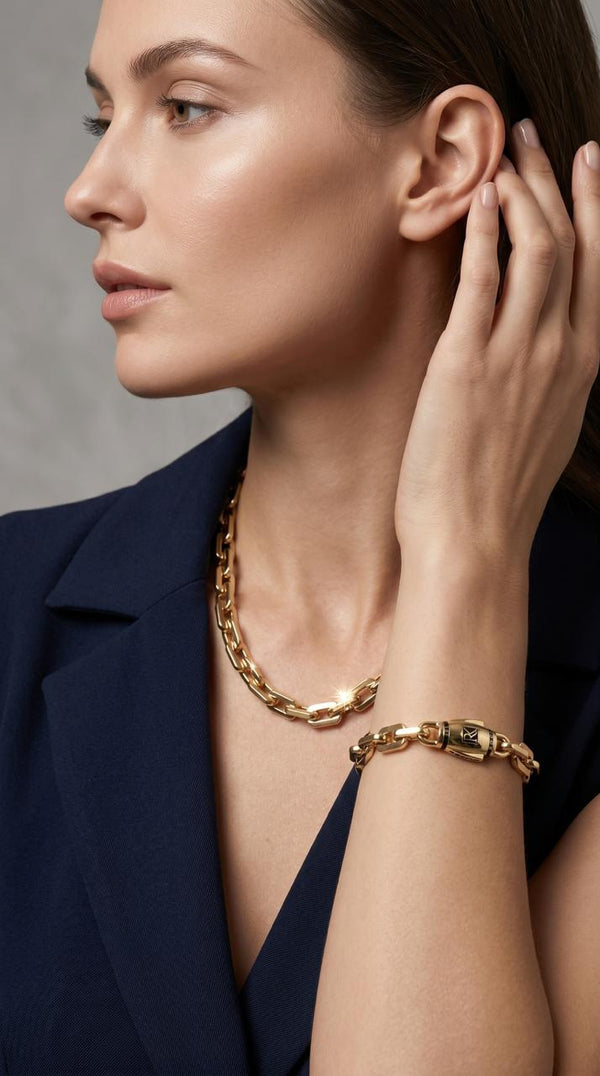
At ROKO, yellow gold is our only metal — every piece in our collection from the necklace range to our ring collection is crafted in 18K yellow gold.
Typical composition: 75% gold · 12.5% silver · 12.5% copper
18K White Gold — The Modern Choice
White gold is 75% pure gold alloyed with white metals — typically palladium, silver, or nickel — to create a silvery appearance. Most white gold jewelry is also finished with a thin layer of rhodium plating, which gives it its characteristic bright, mirror-white surface.
The rhodium plating is the most important thing to understand about white gold. It is what makes the piece appear white — without it, white gold has a slightly warm, off-white tone. Over time and with regular wear, the plating wears through and the underlying warmer metal begins to show. Re-plating (typically AED 50–150 at a reputable jeweler) restores the original appearance and is a standard part of white gold maintenance.
Typical composition: 75% gold · 25% palladium or silver/nickel blend + rhodium plating
18K Rose Gold — The Contemporary Favourite
Rose gold gets its distinctive warm pink-copper tone from a higher proportion of copper in the alloy. There is no single standardised rose gold color — the exact hue varies between manufacturers. More copper produces a deeper, richer red-rose tone; less copper creates a softer blush pink. Unlike white gold, rose gold requires no plating to maintain its appearance. The color is intrinsic to the metal itself and will never change.
Typical composition: 75% gold · 22.5% copper · 2.5% silver
Yellow vs White vs Rose Gold: Side-by-Side Comparison
Before we go deeper, here is how the three gold colors compare across every factor a buyer should consider:
Color: Yellow is warm golden. White is bright silver-white (from rhodium plating). Rose is warm pink-copper — the most distinctive and contemporary of the three.
Maintenance: Yellow gold requires almost none beyond regular cleaning. White gold needs professional re-plating every 1–2 years. Rose gold needs even less maintenance than yellow gold — the color is permanent and the copper alloy is extremely durable.
Durability: All three are durable at 18K. Rose gold is technically the toughest due to its high copper content. Yellow and white gold are comparable in scratch resistance at the same karat.
Skin sensitivity: Yellow and rose gold are generally hypoallergenic. White gold made with nickel alloys can cause skin reactions in sensitive individuals — always confirm the jeweler uses palladium-based white gold, not nickel-based.
Price at 18K: Yellow and rose gold are similarly priced. White gold carries a modest 5–10% premium due to the cost of rhodium plating, but this is not a significant factor at the fine jewelry level.
Durability — Which Gold Color Lasts Longest?
A common misconception is that gold color affects overall quality. It does not — at the same karat, all three colors are premium materials. But there are meaningful differences in how they hold up over years of daily wear.
Rose gold: toughest for everyday wear
The high copper content of rose gold makes it the hardest of the three color options. It resists scratches better, maintains its form under mechanical stress, and — because its color is intrinsic to the metal — will look exactly the same in twenty years as it does on the day you buy it. The only change is a very gradual deepening of the copper patina, which most wearers find desirable rather than problematic.
Yellow gold: durable and permanently stable
18K yellow gold is softer than rose gold but significantly harder than 22K or 24K yellow gold — making 18K the practical sweet spot for wearable yellow gold in Dubai's climate. It requires no plating and the color is completely permanent. Scratches accumulate over decades of wear but can be professionally polished. Our bracelets and earrings in 18K yellow gold are specifically designed for daily luxury wear.
White gold: requires the most attention
White gold's rhodium plating is durable but not permanent. Ring shanks — which endure constant friction against surfaces — typically need re-plating every 12–18 months. Necklaces and earrings in white gold last considerably longer between re-platings, since they experience far less abrasive contact. Re-plating is inexpensive and quick, but it is an ongoing commitment worth understanding before purchase.
Skin Tone Compatibility — Which Gold Color Suits You?
This is the question buyers most frequently wish they had asked before purchasing. The color of your gold jewelry interacts with your skin's undertone — not just your overall complexion. Understanding undertones is the key to choosing a gold color that looks genuinely harmonious on you rather than fighting against your natural coloring.
How to identify your undertone
Look at the veins on the inside of your wrist in natural daylight. Blue-purple veins indicate cool undertones. Greenish veins indicate warm undertones. A mix of both indicates neutral undertones. You can also consider how you tan — warm undertones tend to tan easily to a golden-brown, while cool undertones either burn or develop a pinkish tone.
Warm undertones (golden, olive, peachy skin)
Yellow and rose gold both complement warm undertones beautifully. The warmth in the metal mirrors and enhances the warmth in the skin, creating a harmonious, luminous effect. Many UAE buyers with warm Mediterranean, South Asian, or Middle Eastern skin tones find that yellow gold in particular appears richer and more vibrant against their skin than white gold does. ROKO's 18K yellow gold pieces — like our earring collection — are particularly striking on warm-toned skin.
Cool undertones (pink, bluish, or fair skin)
White gold suits cool undertones most naturally. The contrast between bright white metal and cooler-toned skin creates a clean, precise visual effect. Rose gold on cool-toned skin is a popular contemporary styling choice — the warm-cool contrast is intentional and can be striking when done well.
Neutral undertones
If your undertone is neutral, you are in the fortunate position of working well with all three gold colors. Base your decision on aesthetic preference and the occasion rather than skin compatibility.
Style and Occasion — Which Gold Color Works Where?
Beyond skin tone, your lifestyle, personal aesthetic, and what you plan to wear the piece for all play a significant role in the right gold color choice.
Yellow gold: timeless, cultural, heirloom
Yellow gold carries the deepest cultural roots across the Middle East, South Asia, and the wider Arab world. In the UAE, yellow gold is the overwhelmingly dominant choice for bridal sets, family heirlooms, celebratory gifts, and Eid jewelry — the metal is synonymous with the joy and significance of these occasions.
Yellow gold is also experiencing a powerful contemporary fashion revival globally. Layered yellow gold necklaces, chunky chain bracelets, and sculptural yellow gold earrings are among the most-worn fine jewelry styles of the current decade. ROKO's necklace collection and bracelet range are designed specifically around this contemporary yellow gold aesthetic.
Best for: Bridal jewelry, Eid and cultural gifting, layered necklace stacks, heirloom rings, statement earrings, everyday luxury wear.
White gold: modern, minimal, diamond-friendly
White gold was developed in the early 20th century as an alternative to platinum and has since developed its own distinct aesthetic identity — clean, contemporary, and particularly effective as a setting for diamonds. White gold reflects neutral light into diamonds, allowing them to appear brighter and whiter than yellow gold settings, which can cast a warm tint onto the stone.
If you are buying a piece with a significant diamond — a solitaire ring, diamond stud earrings, or a pavé necklace — white gold is worth serious consideration for this optical reason alone. For non-diamond fine jewelry, the choice comes down purely to personal preference.
Best for: Diamond engagement rings, solitaires, minimalist fine jewelry, modern everyday pieces, office-to-evening transitional jewelry.
Rose gold: romantic, contemporary, versatile
Rose gold has earned a permanent place in fine jewelry after a decade of extraordinary popularity. Its warm pink-copper tone flatters most skin tones and sits in a distinctive aesthetic position — warmer and more traditional-feeling than white gold, more contemporary and approachable than classic yellow gold.
Rose gold has also become one of the most popular choices for men's jewelry and unisex pieces. The subtle warmth reads elegantly across gender expressions in a way that avoids the strong cultural associations of yellow gold, making it the natural choice for couple's jewelry, anniversary gifts, and gender-neutral pieces.
Best for: Everyday rings and bracelets, couple's jewelry, anniversary gifts, contemporary statement pieces, unisex and men's jewelry.
Price — Is One Gold Color More Expensive Than Another?
At the same karat, all three gold colors contain the same proportion of pure gold per gram, so their intrinsic metal value is identical. However, there are real-world pricing differences worth understanding before you shop.
Why white gold costs slightly more
White gold typically carries a 5–10% price premium over yellow and rose gold at the same karat and weight. This is because of the cost of rhodium plating applied during manufacturing, and because palladium — the preferred hypoallergenic alloy metal — is itself a precious metal with its own market price. This premium is not significant at the individual piece level but is worth being aware of when comparing like-for-like pieces.
Yellow and rose gold: similar pricing
Yellow and rose gold at 18K are typically priced very similarly. If there is a difference, it reflects the design complexity or craftsmanship of a specific piece — not the metal color itself.
Understanding Dubai's gold pricing
Gold in Dubai is priced against the daily Dubai Gold Rate, which reflects the international spot price of gold. This rate applies to the gold content of a piece. Making charges — the craftsmanship fee — are quoted separately. Any reputable UAE jeweler, including ROKO, will explain both figures clearly. If a seller cannot separate gold value from making charges, ask explicitly — it is standard practice in Dubai's jewelry market and your right as a buyer.
For more on understanding gold pricing and what to look for when buying, read our complete guide on buying gold jewelry online in the UAE.
Allergies and Sensitive Skin
For buyers with sensitive skin, the alloy composition of gold is a non-negotiable factor — and this is one area where the three gold colors differ meaningfully.
Yellow gold at 18K is generally well-tolerated. The primary alloys — silver and copper — rarely cause skin reactions, and the high gold content (75%) means less alloy contact with skin.
Rose gold is similarly well-tolerated for most people. Copper can occasionally cause very mild skin darkening in people with highly acidic skin chemistry, but allergic reactions to copper are exceptionally rare.
White gold requires more attention. White gold made with nickel alloys — common in mass-market jewelry — is a significant allergen for approximately 10-15% of the population. Always confirm that the white gold uses palladium-based alloys, not nickel. Reputable fine jewelry brands use palladium exclusively for this reason. If you have a known nickel sensitivity, request this confirmation in writing before purchase.
How to Choose: Your Decision Framework
If you are still weighing your options, filter your decision through these questions:
Choose yellow gold if:
- You are buying for a cultural occasion, a bridal set, or an Eid gift — read our Eid gift guide for specific recommendations
- You prefer a classic, timeless aesthetic that will never go out of style
- You want completely zero-maintenance gold that looks the same for decades
- You have warm or olive undertones and want your gold to work with your skin tone
- You are building a layered necklace stack — read our necklace layering guide for inspiration
Choose white gold if:
- You are setting a significant diamond and want maximum brilliance from the stone
- You prefer a modern, minimal, silver-toned look but want the value and prestige of gold
- You are comfortable with re-plating every 1–2 years as part of your jewelry care routine — see our gold care guide
- You have cool undertones and want your jewelry to complement them naturally
Choose rose gold if:
- You want something contemporary, warm, and distinctly modern
- You are buying for everyday wear and want the most durable, lowest-maintenance option
- You are buying a unisex piece or couple's jewelry
- You want a gold color that flatters virtually any skin tone
Can You Mix Yellow, White, and Rose Gold?
Yes — and when done intentionally, it is one of the most stylish choices in contemporary fine jewelry. The key word is intentional. Mixing gold tones that you consciously selected creates a curated look; mixing tones because you simply accumulated different pieces over time can look mismatched.
The most effective approach is to anchor your look in one dominant gold color — typically yellow gold if you are wearing ROKO pieces — and introduce one contrasting tone as a deliberate accent. Two yellow gold necklaces layered with a white gold pendant, for example, creates a clean mixed-metal look without visual chaos.
For more on building a cohesive multi-piece look, see our necklace layering guide.
Frequently Asked Questions
Is yellow gold more valuable than white or rose gold?
At the same karat, all three colors have identical gold content and therefore identical intrinsic gold value. A gram of 18K yellow gold and a gram of 18K white gold both contain 0.75g of pure gold. White gold may carry a slight retail premium due to rhodium plating costs, but this is a manufacturing cost — not a difference in gold value.
Does white gold look like silver?
White gold and silver can look similar to the untrained eye, but they are entirely different materials with very different values. White gold at 18K contains 75% pure gold and is hallmarked "750." Silver does not contain gold. In Dubai, all legitimate gold jewelry is legally required to carry a karat hallmark — always look for the 750 stamp on any piece sold as 18K gold. Read more in our karat guide.
How do I know when my white gold needs re-plating?
The rhodium plating on white gold begins to show wear when a faint yellowish tint appears, particularly on the underside of rings or along edges that experience the most friction. This is entirely normal and not a quality defect. A professional re-plating at a reputable Dubai jeweler typically costs AED 50–150 and takes 24–48 hours.
Which gold color is most popular in Dubai?
Yellow gold remains dominant in the UAE market, driven by its deep cultural associations with celebration, prosperity, and heritage. Among younger buyers and expatriate residents, rose gold and white gold have strong followings — but yellow gold's cultural significance in Gulf and South Asian communities ensures it remains the primary choice for bridal jewelry, Eid gifting, and family heirlooms.
Does gold color affect resale value?
Gold color does not affect resale value. The karat, weight, and craftsmanship determine a piece's market value. 18K yellow, white, and rose gold pieces of the same weight carry the same gold melt value.
Whether you choose the timeless warmth of yellow gold, the modern precision of white gold, or the contemporary romance of rose gold — what matters most is that you buy from a jeweler who can verify exactly what you are getting. At ROKO, every piece comes with our Certificate of Authenticity, a 750 hallmark, 30-day returns, and 3-day delivery across the UAE.
Browse our full 18K gold jewelry collection, explore our gift-ready pieces, or WhatsApp our Dubai team with any questions. We're here to help you find the perfect piece.
Related reading: 18K vs 22K vs 24K Gold — Which Karat Is Best? · How to Care for 18K Gold Jewelry · How to Layer Gold Necklaces — Dubai Style Guide · Best Gold Jewelry Gifts for Eid 2026